FBA reimbursements: recover what Amazon owes before the window closes
Updated · Ecomsellertool
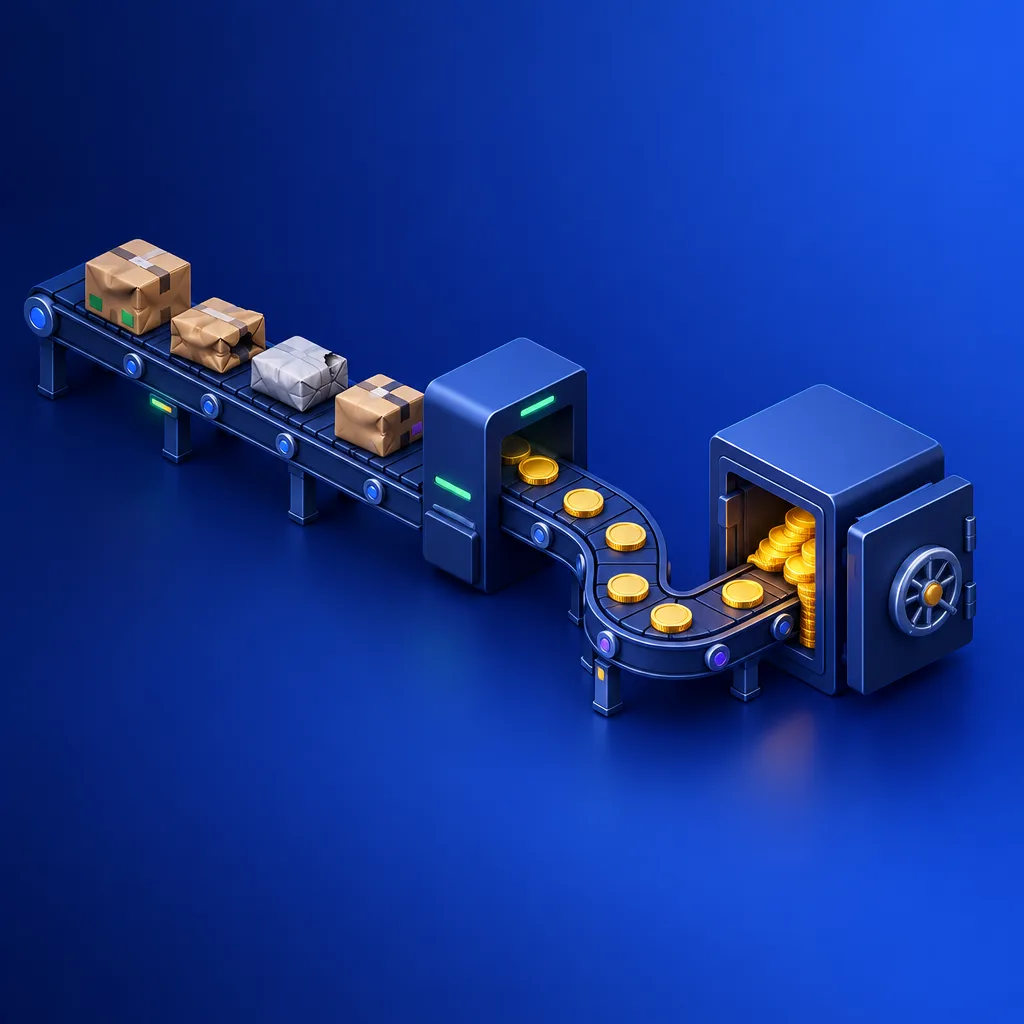
FBA reimbursements are the payments or replacement units Amazon owes when it or its carriers lose or damage your FBA inventory in inbound shipments, warehouses, customer returns or removals, plus refunds of FBA fees charged on wrong dimensions. Most manual US claims now have short windows: 60 days for warehouse losses, day 60 to 120 for returns, 90 days for fee disputes. Pre-order losses of sellable units pay your sourcing cost, so keep costs and invoices on file and reconcile weekly.
- Since March 31, 2025, Amazon pays US pre-order losses of sellable units at the seller's sourcing cost, not the selling price, and uses its own estimate if no cost is submitted or accepted.
- Fulfillment center lost or damaged claims must be filed within 60 days of the unit being reported in the Inventory Defect and Reimbursement portal or Inventory Ledger.
- A customer return claim opens 60 days after the refund or replacement and closes at day 120.
- Lost removal claims open 15 days after the last confirmed movement and close 75 days after the shipment was created; damaged removals close 60 days after delivery.
- FBA fees charged on inaccurate weight or dimensions must be disputed within 90 days of the charge.
- In the US, Amazon caps reimbursement for a single FBA unit at $5,000.
What it looks like
Units go missing at inbound check-in, get marked lost or damaged in the warehouse, or are refunded and never come back, and nobody files the claim before its window closes.
What it costs
Every unfiled claim is money for inventory or fees that Amazon owed you and never paid. Most manual claim windows now close within 60 to 120 days, so a quarterly audit arrives after many of them have closed, and pre-order losses are paid at Amazon's cost estimate unless your own sourcing cost is on file and accepted.
How Growth OS closes it
- Pull the Inventory Ledger, Reimbursements, returns, removal and inbound shipment data daily through SP-API into one event history per FNSKU.
- Match every lost, damaged, refunded or short-received unit against reimbursements already paid, so only open events become claim candidates.
- Age each candidate against its Amazon claim window, so claims are not filed early and are flagged before they expire.
- Attach the evidence each claim type needs: shipment IDs, supplier invoices, proof of delivery, tracking IDs and removal photos.
- Keep per-SKU sourcing cost from purchase orders and flag SKUs where Amazon reimbursed at a lower estimate.
- Compare charged FBA fees with measured dimensions and queue remeasurement requests inside the 90-day window.
What is an FBA reimbursement?
When Amazon or a carrier working for it loses or damages inventory you sent to FBA, Amazon replaces the unit or pays you for it. That covers four points in the chain: shipments to Amazon, fulfillment center operations, customer returns and removals. A separate policy refunds FBA fees that Amazon confirms were charged on inaccurate weight or dimensions.
The unit has to qualify. It must be registered in FBA when the loss happens, you must have shipped exactly what your shipping plan said, it cannot be pending disposal or damaged by a customer, and your account has to be in normal status while the claim is reviewed. In the US the cap is $5,000 per unit.
How does Amazon calculate reimbursements now?
Since March 31, 2025, US reimbursements for losses before a customer order (inbound shipments, warehouse operations and removals) have been based on your sourcing cost: what you paid a manufacturer, wholesaler or reseller, or your production cost if you make the product. Shipping, handling and customs duties are excluded. Units that were already unsellable when lost, damaged or removed are paid at a reduced estimated cost instead.
You enter sourcing cost on the Manage Your Sourcing Cost page in the Inventory Defect and Reimbursement portal. Leave it blank and Amazon uses its own estimate from comparable products. Amazon can ask for proof, decline outliers, and will not reconsider the same item within 30 days without new information. If it declines your cost, it pays on a previously approved amount or its own estimate.
For losses after an order, such as a refunded return that never comes back, the payout is the refund or replacement value on the original order minus applicable fees. If you disagree with that valuation, you have 60 days after the reimbursement to dispute it.
What are the claim windows for each reimbursement type?
Since November 1, 2024, Amazon has reimbursed units lost in its fulfillment centers automatically, and it now pays most warehouse and customer return cases without a claim. Anything it misses still needs a manual claim, every removal claim is still filed by hand, and most of those windows are short.
| Claim type | Window opens | Window closes | What you provide |
|---|---|---|---|
| Shipment to Amazon | Shipment shows as eligible for investigation | 9 months after verified delivery | Shipment ID, proof of ownership, proof of delivery |
| Fulfillment center lost or damaged | Unit reported lost or damaged | 60 days later | FNSKU (lost) or transaction item ID (damaged) |
| Customer return | 60 days after refund or replacement | 120 days after refund | Order ID, FNSKU, quantity |
| Removal lost in transit | 15 days after last confirmed movement | 75 days after shipment creation | Removal order ID, shipment ID, FNSKU, quantity |
| Removal damaged or grading | Delivery to you | 60 days after delivery | Photos of units, damage, labels and boxes |
| FBA fees on wrong dimensions | Fee charged | 90 days after the charge | FNSKU and the fee report dimensions |
Inbound reconciliation usually takes 2 to 30 days and sometimes up to 60, and a shipment only becomes eligible for investigation once it is Closed. These are the US rules as of September 2026. Amazon has changed them several times since 2024, so recheck them before building on any number.
Why do reimbursements still leak with automation?
Automation covers the clean cases. The rest need someone to notice them:
- Inbound shipments received short, where you must classify and document each discrepancy before Amazon researches it.
- Refunds where the customer never sent the item back, or it came back unsellable because of warehouse damage.
- Removal orders that stall in transit, arrive damaged or contain the wrong item.
- Reimbursements paid at Amazon's estimate because no sourcing cost was on file.
- Reimbursements reversed when a unit is found later, which quietly changes your stock count.
- FBA fees charged on a size tier your product does not belong in.
Each of these sits in a different report with its own clock. Filing everything at once is not the answer either: Amazon says sellers who repeatedly file premature or poorly researched requests, or many requests in a short time, can see delayed support or account action.
What evidence does Amazon ask for?
For inbound claims, proof of ownership is a supplier invoice or receipt showing the purchase date, matching product names and quantity, or a signed packing slip if you are the manufacturer. It must be a non-editable file such as PDF, JPG, PNG or TIFF, pro forma invoices are rejected, and you may hide the price. Proof of delivery is an Amazon-stamped carrier POD with box count and weight for LTL or FTL freight, or active tracking IDs for small parcels. Amazon allows one claim per shipment, so it has to be complete the first time.
Removal claims need the removal order ID, shipment ID, FNSKU and quantity, and for damage or wrong items, photos of the unit, the damage, the labels and the boxes.
How does Growth OS find discrepancies and prepare claims?
The reimbursements module in Ecomsellertool Growth OS runs on your own Seller Central account through SP-API. It detects lost, damaged and misplaced units and fee overcharges line by line and prepares the claims. It works from standard Amazon data: the Inventory Ledger detail, Reimbursements, customer returns, removal order detail and removal shipment detail reports, your inbound shipment data, the FBA Fee Preview report for estimated fees and the settlement report for the fees actually charged.
It also tracks each claim from filed to paid or denied. Your team reviews a short, ready-to-file queue and submits it in Seller Central. If stock also sits with a 3PL, the same ledger extends to 3PL reconciliation.
Custom modules we build are yours, the base is licensed to you, and your cost data and claim history stay with you. It builds on the reimbursement recovery we built for Seller7, a seller OS used by 700+ sellers across 20+ marketplaces.
Where should you start?
Start the free Quick Scan of the Ops Gap Diagnostic: upload five standard reports, including your Reimbursements report, and see your top three operations gaps with a yearly dollar estimate for each. To see how the base system fits together, read about Growth OS.
Frequently asked questions
What is FBA reimbursement?
It is the replacement unit or payment Amazon gives you when FBA inventory is lost or damaged by Amazon or a carrier working for Amazon, in inbound shipments, warehouses, customer returns or removals. Amazon also refunds FBA fees it confirms were charged on inaccurate weight or dimensions.
How long do I have to file an FBA reimbursement claim?
It depends on the claim type. In the US, warehouse lost or damaged claims close 60 days after the unit is reported, customer return claims run from day 60 to day 120 after the refund, lost removal claims close 75 days after the shipment was created, and inbound shipment claims close nine months after verified delivery.
When am I reimbursed for an FBA customer return?
When Amazon refunds the customer, it debits your account for all or part of the refund. If the item is not back at a fulfillment center within 60 days of the refund, Amazon in most cases charges the customer and reimburses you; if it comes back unsellable because of Amazon you are reimbursed, and if it comes back sellable it returns to your inventory. Amazon does not reimburse three cases: refunds where the customer is not asked to send the item back, unless Amazon is responsible; returns that are customer-damaged, defective or recalled; and refunds you issue yourself.
Does Amazon reimburse the selling price or my cost?
For units lost or damaged before a customer order, US reimbursements use your sourcing cost, which excludes shipping, handling and duties, or Amazon's estimate if you have not submitted one. Units that were already unsellable are reimbursed at a reduced estimated cost, and if Amazon declines your submitted cost it uses a previously approved amount or its own estimate. For losses after an order, the payout is the refund or replacement value minus applicable fees.
Can I get money back for FBA fees charged on the wrong dimensions?
Yes, if Amazon confirms the fee used inaccurate weight or dimensions and you ask within 90 days of the charge. You get one claim per fee charge, and a product cannot be remeasured if it was remeasured twice in the past 60 days, has no available units in the fulfillment center, or your account has hit its monthly remeasurement request limit.
Does Growth OS file reimbursement claims for me?
No. Growth OS finds open discrepancies, holds each one until it is eligible, and assembles the claim with its evidence; your team reviews the queue and submits in Seller Central. That keeps filings researched and paced, which is what Amazon's policy on premature or high-volume requests asks for.
Sources
- FBA inventory reimbursement policy, Amazon Seller Central (accessed 2026-09-24)
- FBA inventory reimbursement policy: Shipment to Amazon claims, Amazon Seller Central (accessed 2026-09-24)
- FBA inventory reimbursement policy: Fulfillment center operations claim, Amazon Seller Central (accessed 2026-09-24)
- FBA inventory reimbursement policy: Customer return claims, Amazon Seller Central (accessed 2026-09-24)
- FBA customer returns policy, Amazon Seller Central (accessed 2026-09-24)
- FBA inventory reimbursement policy: Removals claims, Amazon Seller Central (accessed 2026-09-24)
- FBA fees reimbursement policy: Weight and dimensions, Amazon Seller Central (accessed 2026-09-24)
- Reconcile your shipment, Amazon Seller Central (accessed 2026-09-24)
- Update on Reimbursement Automation and Eligibility Window to file reimbursement claims, Amazon Seller Forums (News_Amazon) (accessed 2026-09-24)
- New effective date for FBA inventory reimbursement policy, Amazon Seller Forums (News_Amazon) (accessed 2026-09-24)
- Fulfillment by Amazon (FBA) Reports, Amazon Selling Partner API documentation (accessed 2026-09-24)
- Report type values: Settlement, Amazon Selling Partner API documentation (accessed 2026-09-24)